
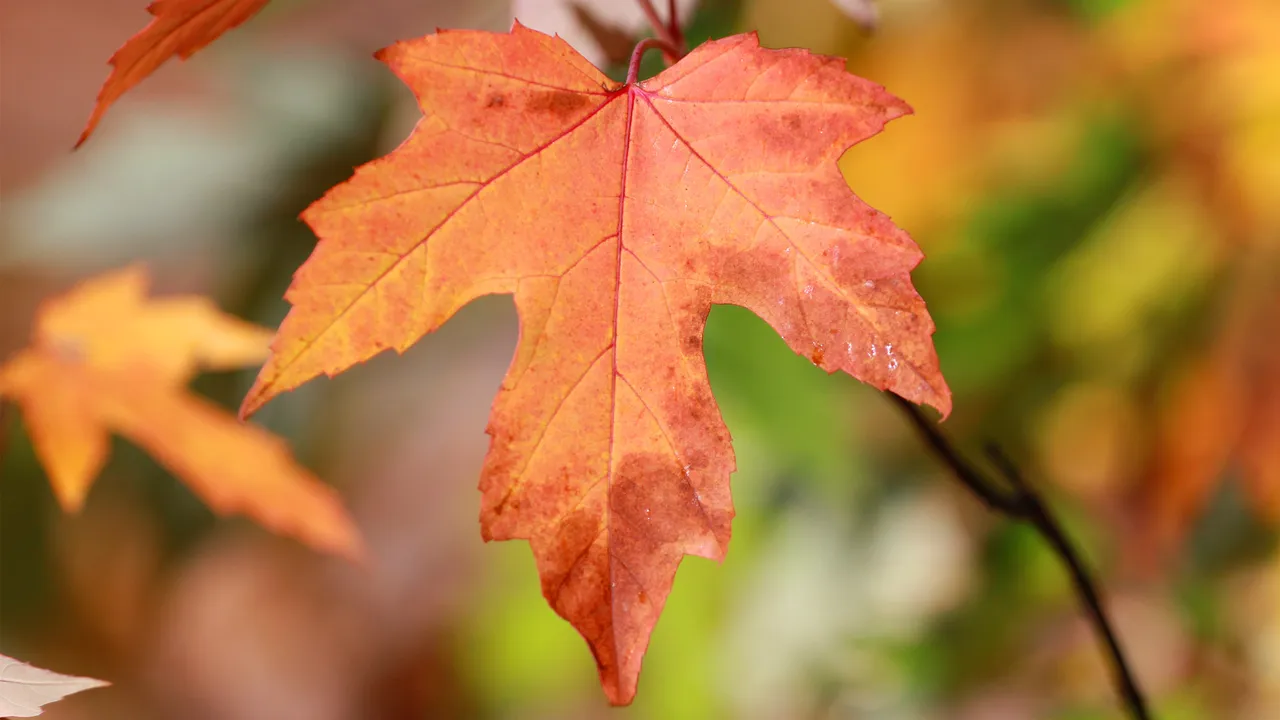
Red maple leaf, symbol of Canada (© namaki/Getty Images)
Every totem pole is a distinct narrative, often depicting the ancestral lineage of a family or clan.
How many stories can a single day hold? Quite a lot, actually. Today in Canada, National Indigenous Peoples Day celebrates First Nations, Inuit and Métis peoples whose knowledge, traditions and skills have shaped life across the country for thousands of years. The day was officially recognised in 1996 after years of calls from Indigenous organisations and leaders seeking stronger recognition of their cultures and communities.
Ever wondered how knowledge travelled before books and phones? Stories, songs and oral histories carried lessons about land, seasons and community life across generations. Indigenous artists also created lasting cultural markers through carving, beadwork, basket making and towering totem poles that record family histories and identities.
Long before commercial maple syrup production, Indigenous communities in eastern Canada were gathering maple sap and using heating methods to make maple sugar. What we now see as a national symbol has deeper roots—that red maple leaf represents centuries of Indigenous knowledge and ingenuity.

