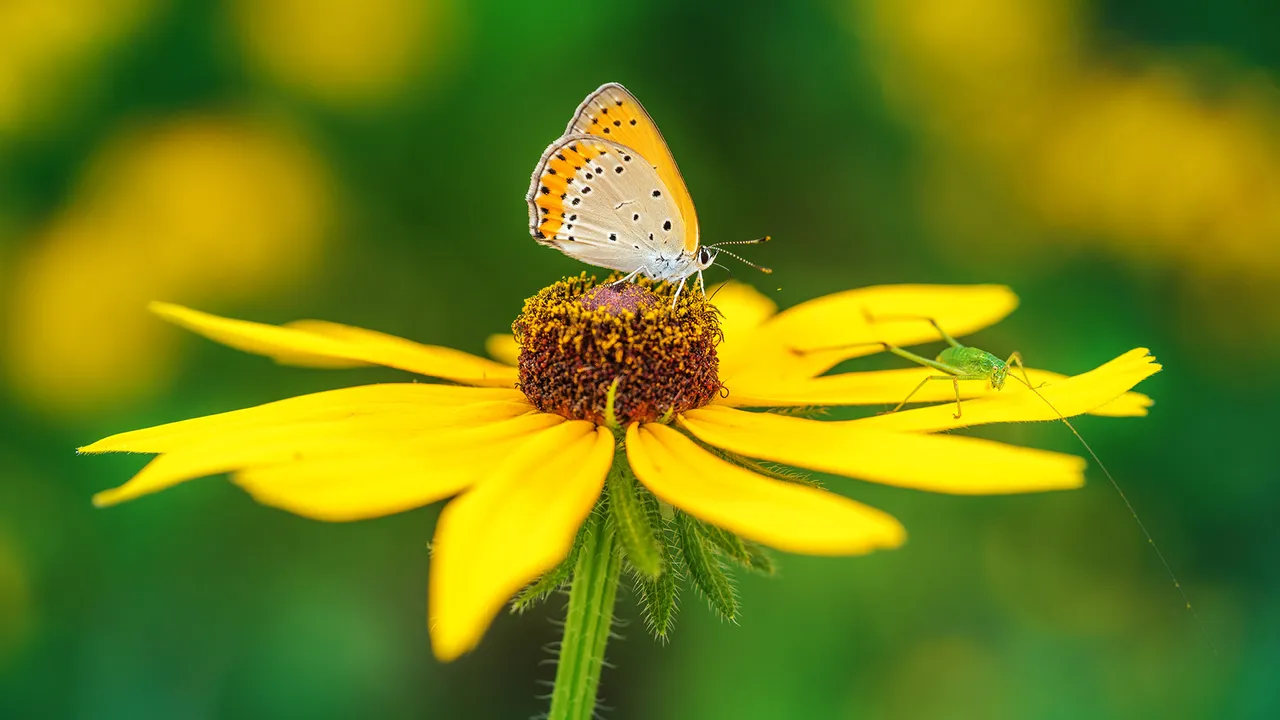
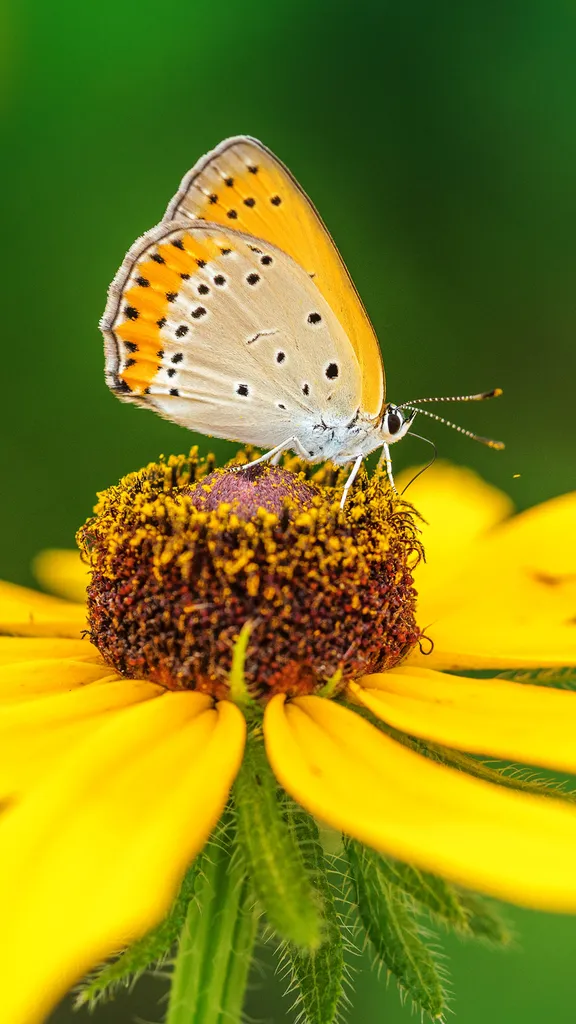
Butterfly pollinating on yellow flower (© lzh/Getty Images)
Pollinators are responsible for about one out of three bites of food we eat.
Zoom in on the small transaction that keeps landscapes alive: a butterfly on a yellow flower, sipping nectar. While it feeds, pollen dusts its body and hitches a ride to the next bloom—one of the quiet ways flowering plants reproduce. Pollinators are not only bees. Butterflies, birds, bats, beetles and many others help move pollen, supporting wild plants and many of the fruits and vegetables we eat.
That's the idea behind Pollinator Week, a yearly reminder to notice these species and protect the habitats they need. In the United States, scientists are tracking butterfly trends because insects are declining in many places, and butterflies are among the best-studied groups. The fixes are practical: plant nectar-rich, preferably native flowers; include host plants for caterpillars; and cut back on pesticides. Start with one sunny patch. Then look again. If a butterfly chooses your flowers, you've built a tiny runway for life. This week has grown into an internationally recognised event celebrated around the world during the last full week of June.