Endangered Species Day
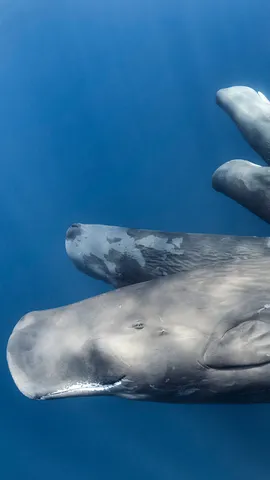
The term cachalot is often used for sperm whales, derived from an archaic French term meaning 'big teeth.'
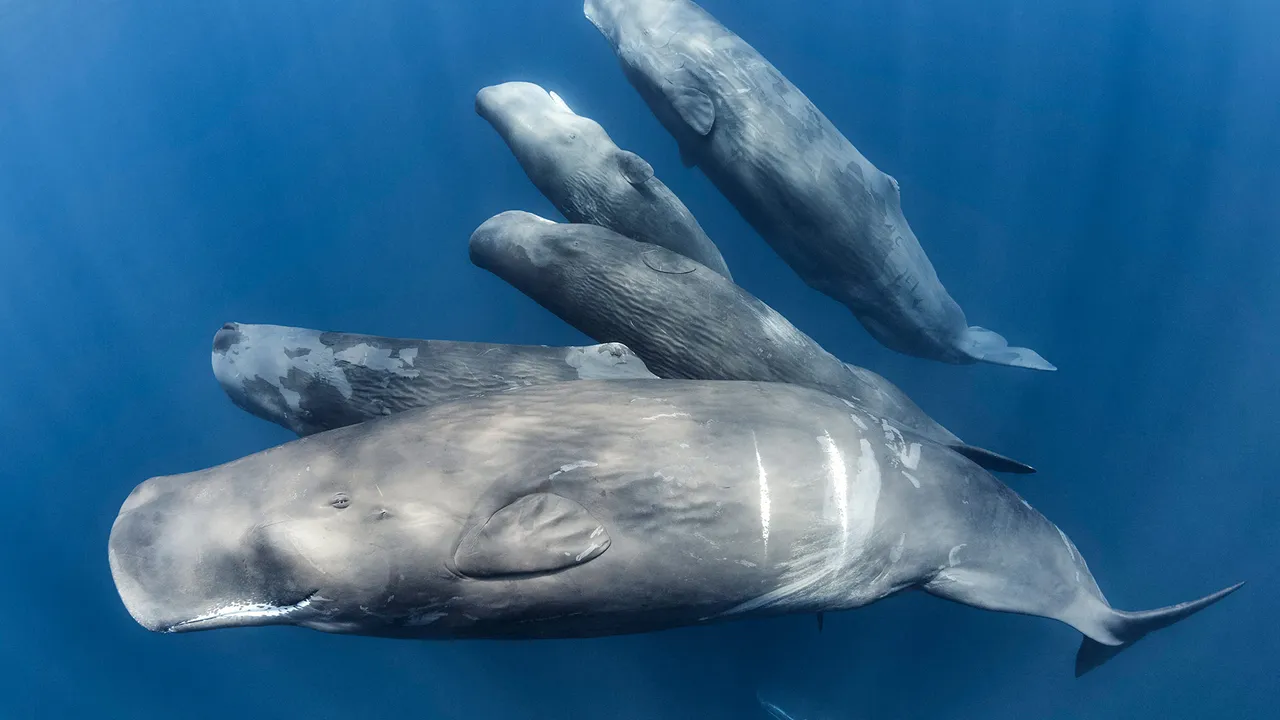
Brains, brawn and a serious case of going deep—the sperm whale isn't here for surface-level living. This Endangered Species Day, meet a giant that thinks big and dives deeper.
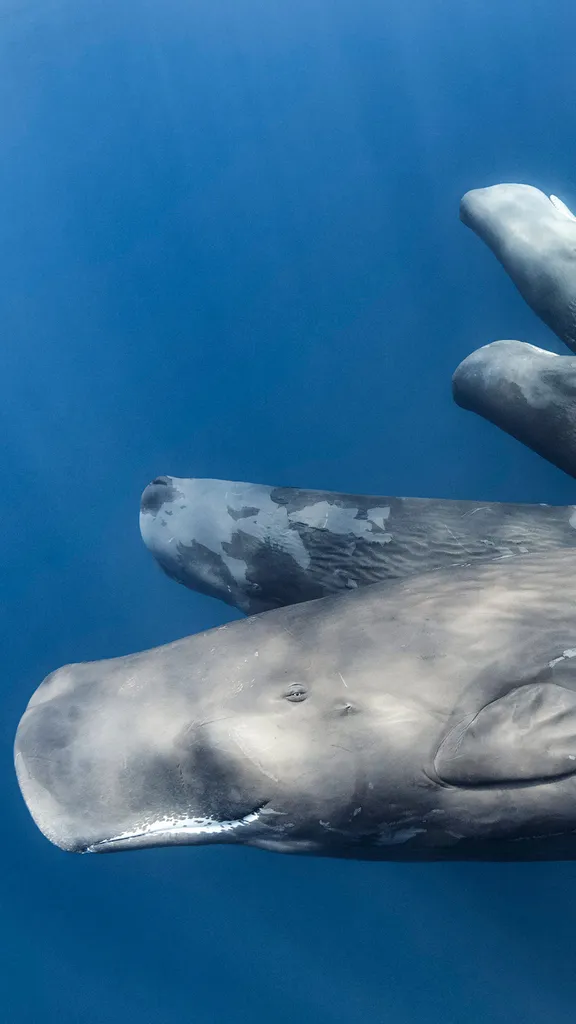
Sperm whales have the largest brain ever recorded—up to 9 kilograms (about five times heavier than a human's). Their massive head, about one-third of their body length, holds spermaceti, a waxy oil once prized for candles and machinery. They're also record-breaking divers, plunging over 1,000 metres for up to 90 minutes to hunt squid. Down there, they rely on echolocation clicks that can reach around 230 decibels, making them the loudest animal on the planet.
They often nap vertically, eat up to 2 tonnes of food a day and have an off-centre blowhole. Living in matriarchal pods, with males going solo, they communicate through click patterns called codas. Once hunted for oil and ambergris, they now face ship strikes, noise and plastic pollution. Whales mastered diving deep. Now it's on us to not let their future sink.